was basically a city that flips your “autumn vibes” switch all the way on.
The sunshine felt warm and cozy, and the breeze was cool and crisp—
so even just walking around all day made me feel instantly happier.
Under that bright blue sky, everything looked extra vibrant,
with greens sparkling everywhere…
honestly, it was perfect weather for taking photos.
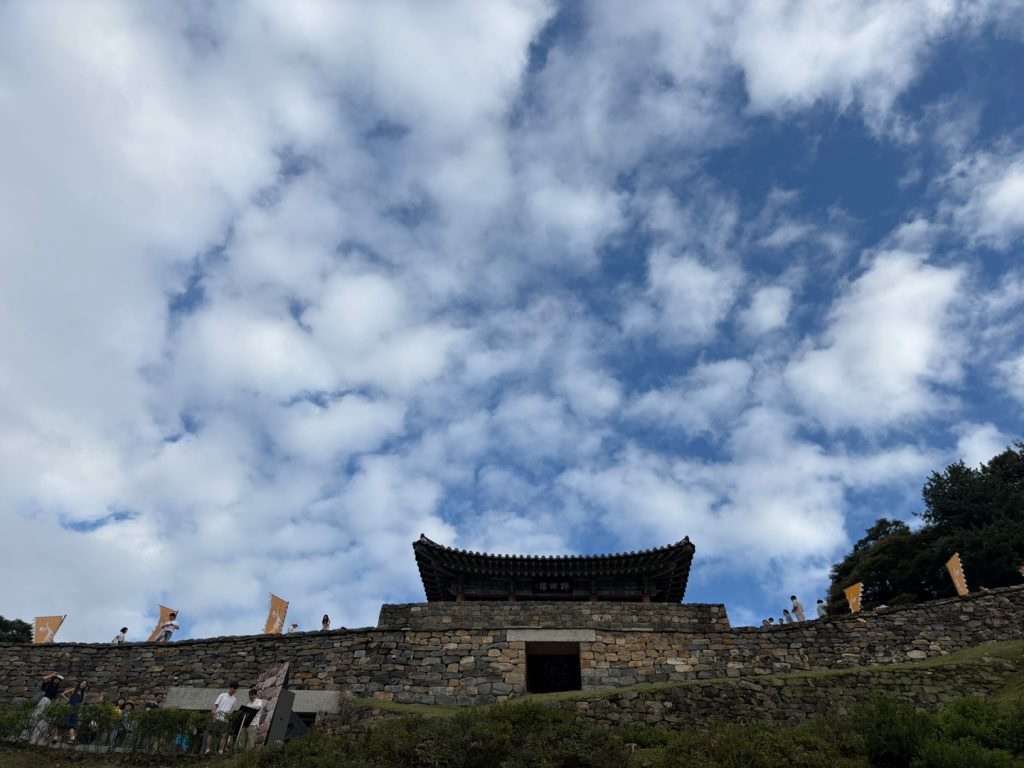
A postcard-perfect view from the base of Gongsanseong Fortress (Gongju)—stone walls, a historic gate pavilion, and that dramatic autumn sky.
Gongju sits right in the heart of Chungcheongnam-do, which makes it super easy to reach—about two hours from Seoul by intercity bus or car.
It’s also close to Daejeon and Sejong, so it’s a great option for a simple day trip. And there’s something about the Chungcheong region in general: the pace feels slower, calmer, and it’s the kind of place that’s just…
really nice for taking a breather.
On top of that, Gongju is a historic city where traces of the Baekje Kingdom still feel alive in everyday streets. As you walk around, it genuinely feels like you’re time-traveling without even trying. This was once the capital of Baekje—Ungjin— so you’ll naturally come across major heritage sites like
Gongsanseong Fortress and the Songsan-ri Tomb Complex.
In this post, I’m going to slowly unpack the mood I felt in Gongju,
the route I followed, and a few small tips that made the trip smoother—
all wrapped up in that lovely October weather.
How to Get to Gongju from Seoul: Express Bus from Seoul Express Bus Terminal
We kicked off our Gongju trip by taking an express bus from Seoul Express Bus Terminal (Seoul Gyeongbu Terminal)—honestly, one of the easiest ways to get there.
There are a few seat classes—Standard / Excellent (Udeung) / Premium—and we booked:
Premium:17,500 KRW
Excellent (Udeung):13,700 KRW
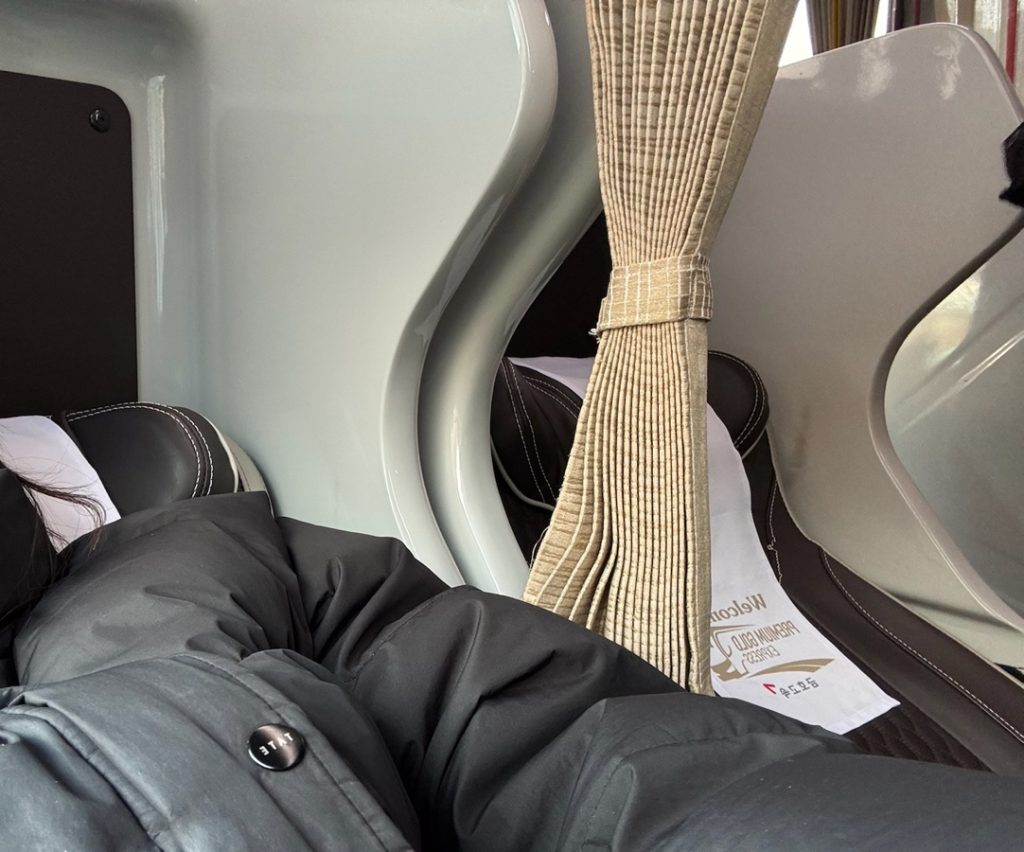
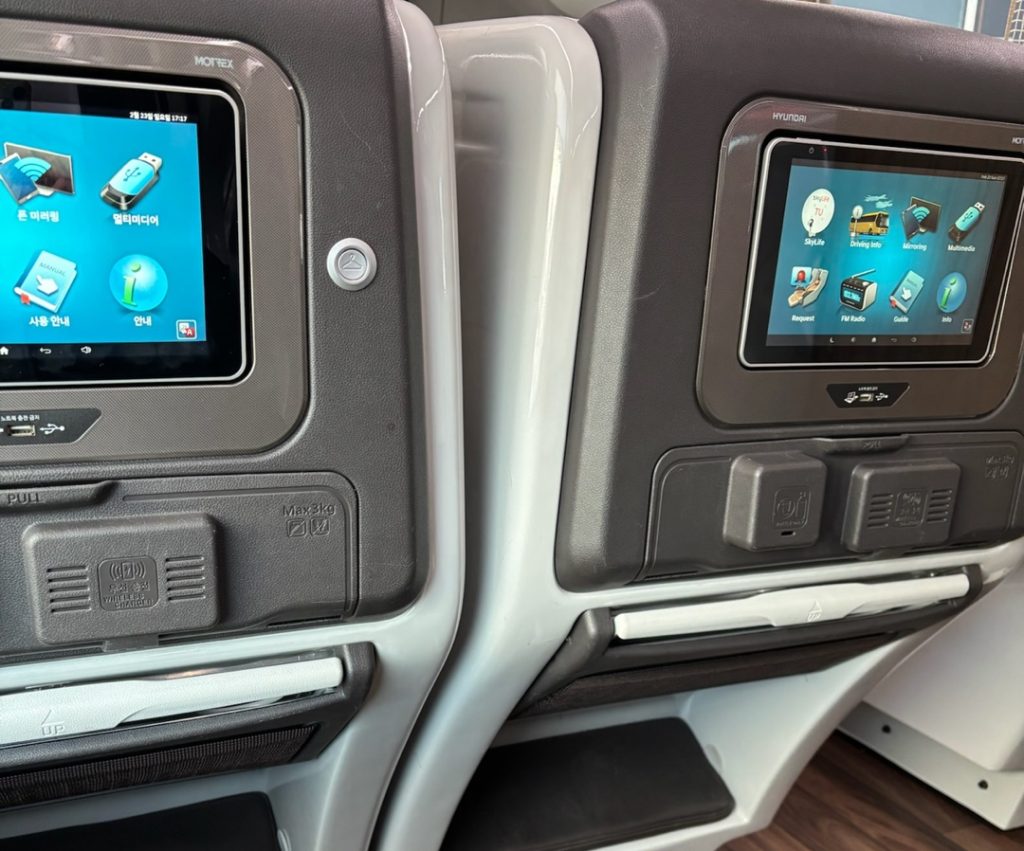
And wow… for the price, the bus quality is seriously impressive. The seats recline almost fully flat, so it feels a bit like sitting in an airplane business class seat—perfect for catching a quick nap on the way to Gongju.
"The express bus to Gongju felt surprisingly premium—individual screens, plenty of space, and a super clean interior."
"This seat reclines almost flat—honestly, it’s giving business class vibes for a bus ticket price."
As soon as we arrived in Gongju, we did what any hungry traveler would do first—we went straight to lunch.
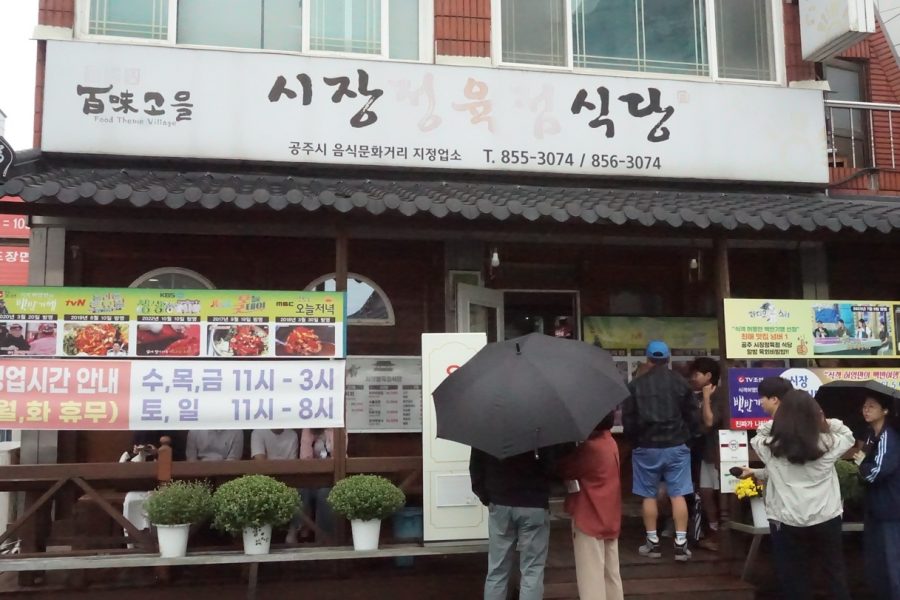
"Our first stop in Gongju: Sijang Jeongyukjeom Sikdang—so popular that there was a line even around lunchtime."
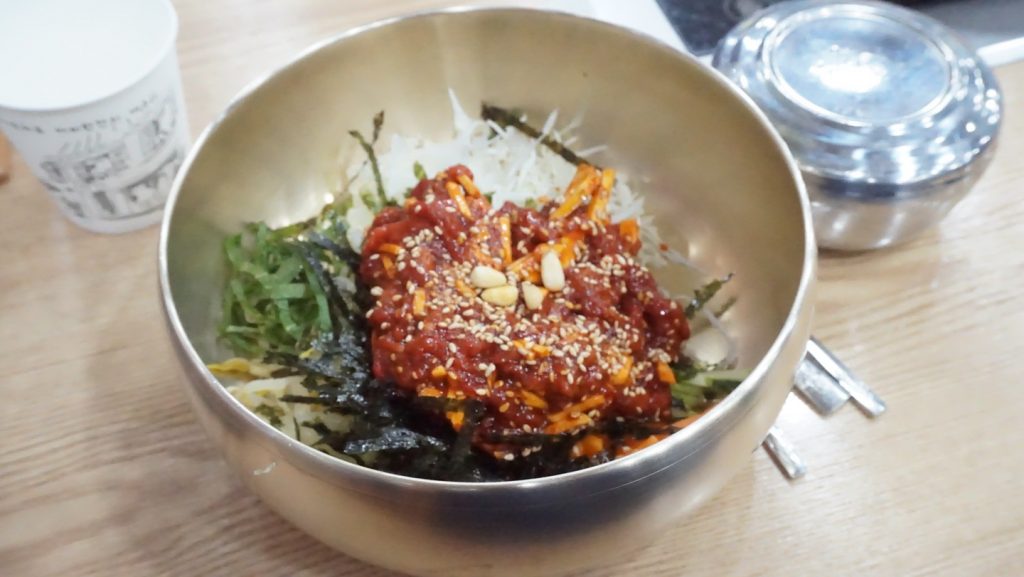
Gongju has quite a few well-known restaurants, but for our very first meal we chose Sijang Jeongyukjeom Sikdang (시장정육점식당). This place is legendary—it’s widely known as a top spot for yukhoe bibimbap (Korean beef tartare bibimbap), and it’s even been highlighted as a must-try by famous Korean food content.
We arrived around 1 PM, and it was packed. We waited about 30 minutes before getting a table. And here’s the important part: after we got in, a few more groups showed up—but the restaurant sold out of ingredients, so they couldn’t serve anyone else even though it wasn’t closing time yet.
➡️ My tip: If you’re set on eating here, go right at opening time. This is one of those places where “late lunch” can mean “no lunch.”
One thing that makes their yukhoe bibimbap feel different from other versions is that it includes chestnuts. Gongju is famous for Gongju chestnuts, and if you’re visiting in autumn, you can even find seasonal chestnut harvesting experiences—honestly, it sounds like such a fun fall activity.
"The star of the meal: yukhoe bibimbap—and yes, Gongju-style means you’ll spot chestnuts mixed in."
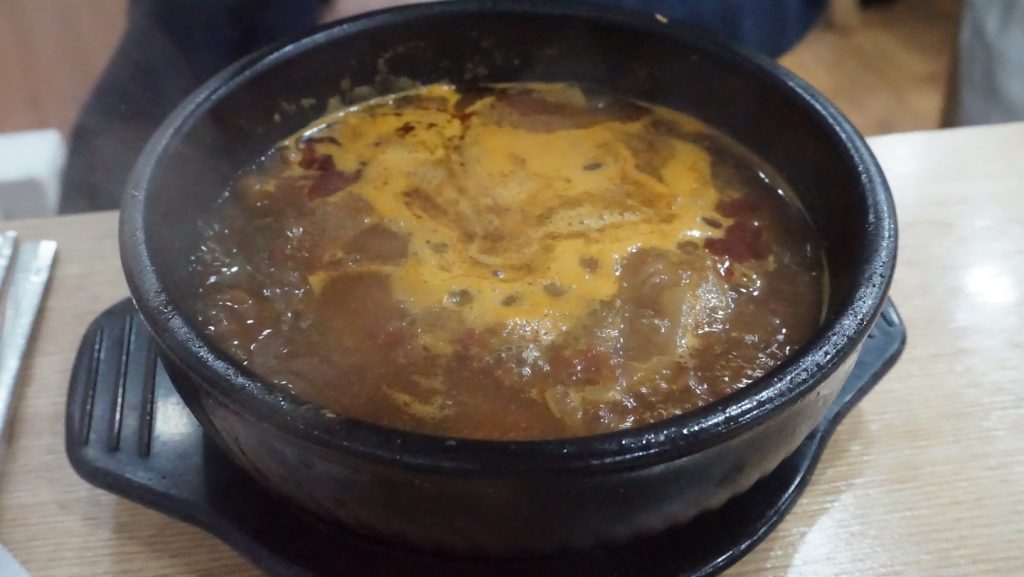
"Don’t skip the seonji gukbap—it looks intense, but it’s incredibly warming and perfect for a crisp fall day."
For our order, we went with:
Yukhoe Bibimbap
Seonji Gukbap (blood curd soup with rice)
Even though the restaurant is known for yukhoe bibimbap, the seonji soup was surprisingly delicious. If you’ve never heard of it: seonji is made by coagulating beef blood, which might sound intimidating at first. But in real life, it’s warm, comforting, and strangely refreshing—especially when autumn air starts getting chilly.
Gongju City Center Guide: Old Town vs New Town + How to Ride the Goma Train (Tourist Trolley)
Why I Loved Strolling Around Gongju
After lunch, we spent some time just wandering around Gongju’s city center—and this part ended up being way cuter than I expected.
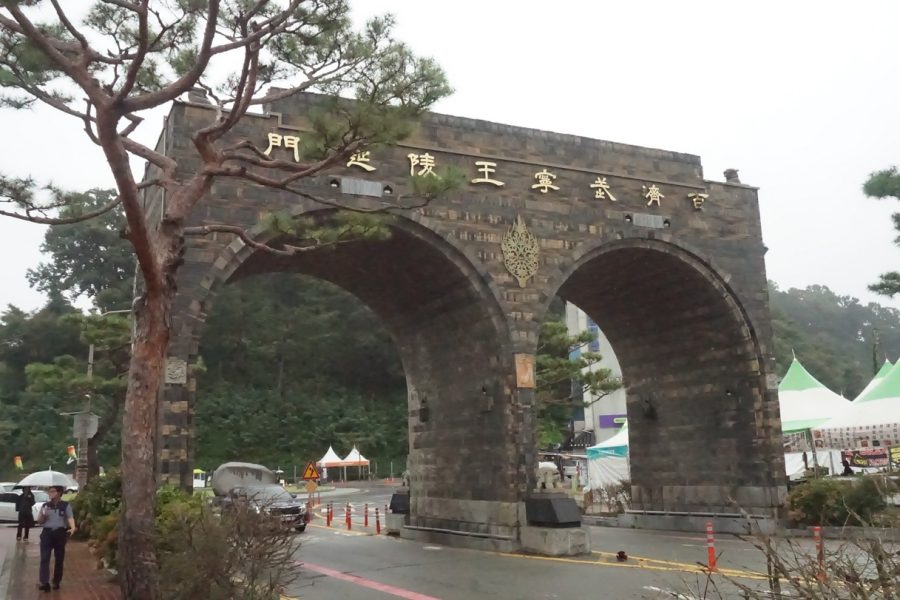
"Even the entrance area around Gongsanseong feels dramatic—stone, pine trees, and that you’re entering history now vibe."
"Gongju’s streets are so charming—old buildings, small cafés, and calm walking paths like Jemincheon-gil."
Gongju’s downtown is small, cozy, and genuinely pretty. Old buildings blend naturally with newer cafés, so even if you’re not rushing to a “must-see,” just walking around feels good. Everywhere felt quiet but warm—like a city made for slow travel and aimless wandering.
The Geum River runs right through the middle of Gongju, naturally dividing the city in two:
North of the river = New Town
South of the river = Old Town
And honestly, if you’re coming as a traveler, you’ll mostly be hanging out in the Old Town area—this is where the must-see spots are: Gongsanseong Fortress, Gongsanseong Market, National Gongju Museum, King Muryeong’s Tomb, and more.
Accommodation tip: If you’re booking a stay, I recommend choosing somewhere near Gongsanseong Fortress—it makes the whole itinerary much easier.
Ride the Goma Train: The Easiest Way to Visit Gongju’s Top Attractions
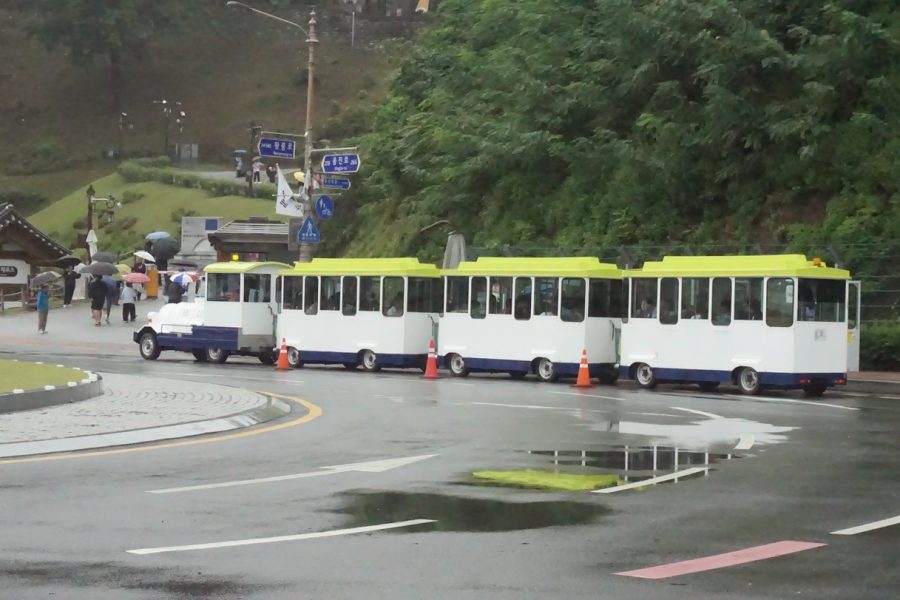
"Gongju’s Goma Train makes sightseeing easy—especially if you want to hop between spots without thinking too hard."
Gongju has this super iconic little sightseeing vehicle called the Goma Train (고마열차), and it’s honestly one of the easiest ways to hit the main attractions without dealing with buses/taxis every time.
It runs as a round-trip loop connecting the big stops like: Gongsanseong → King Muryeong’s Tomb & Royal Tombs → Gongju Hanok Village → National Gongju Museum → Gomanaru Pine Forest Park → (back around) → Gongsanseong
It moves slowly—around 20 km/h—so it feels more like a “scenic ride” than transportation. The full loop takes about 40 minutes, and you can just sit back and enjoy the view.
Why it’s great (especially for foreigners)
Each seat has an audio guide system
You can listen in Korean, English, Chinese, and Japanese
Perfect if it’s your first time in Gongju and you want an easy overview
⚠️ Important: Bring your own earphones. They don’t sell or rent earphones on-site, so if you forget them, you can’t use the audio guide.
Season: Typically March–November, mainly weekends/holidays and during the Baekje Cultural Festival
National Gongju Museum: Baekje Treasures You Can’t Miss in Gongju, Korea
Korea has a huge flagship museum called the National Museum of Korea in Seoul—one of the best places to see Korean history from prehistoric times all the way to the modern era. Recently, thanks to the global popularity of K-content (and the buzz around the animation K-Pop Demon Hunters), it’s been said that the museum’s annual visitor numbers have surged into the “world top tier.”
But here’s the thing—Gongju also has an amazing museum, and it’s absolutely worth your time: National Gongju Museum.
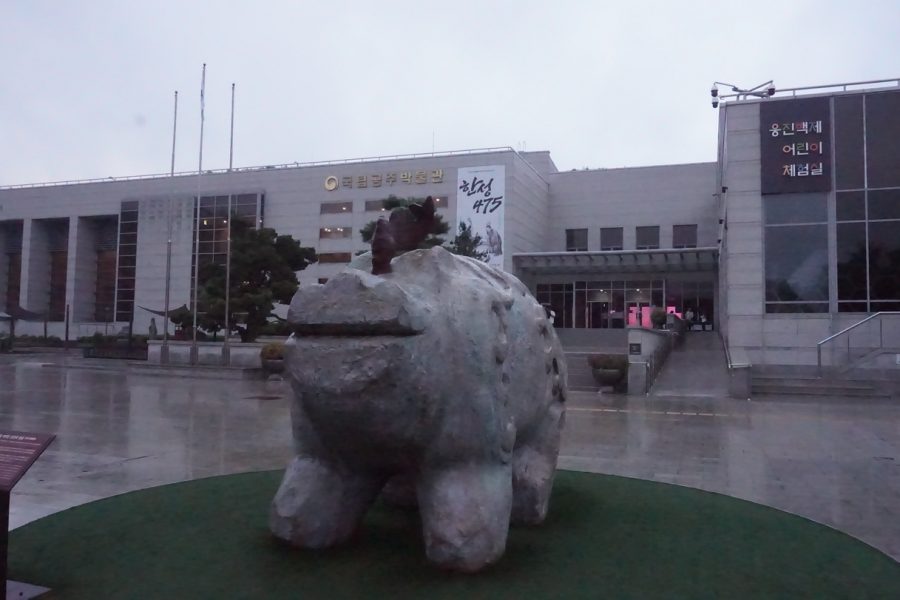
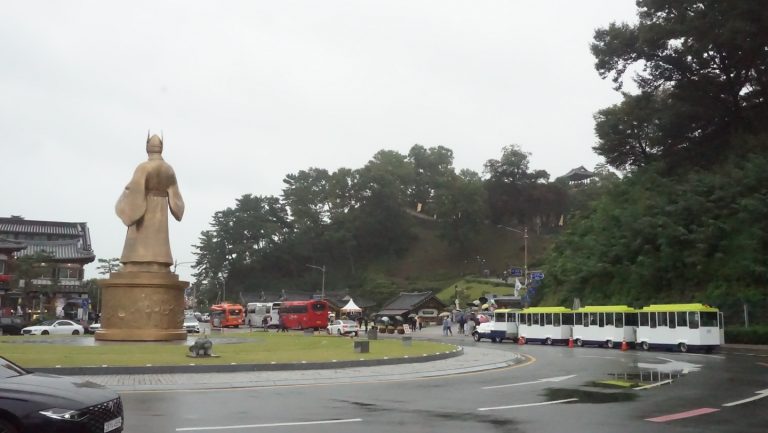
"Rainy welcome at National Gongju Museum—even the front-gate statue looks ready for a Baekje history tour."
"A cozy museum stop in Gongju—perfect even when the weather isn’t cooperating."
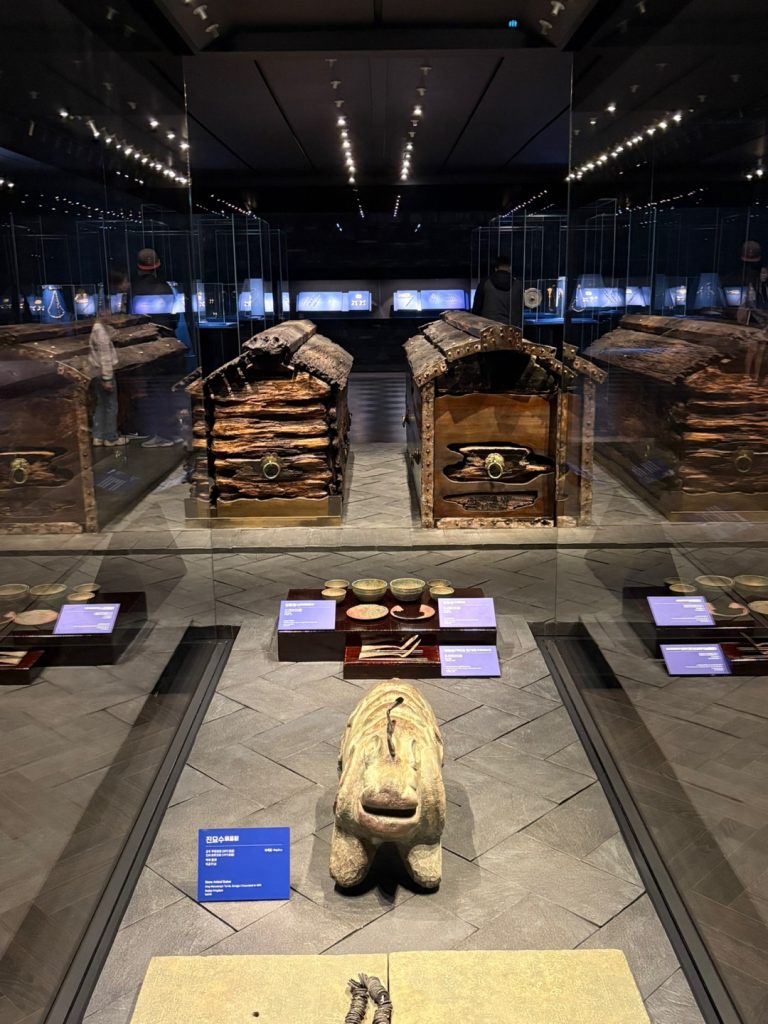
Unlike the National Museum of Korea, which covers the entire Korean Peninsula, National Gongju Museum focuses on the Baekje Kingdom (18 BCE–660 CE). And since Gongju was once Baekje’s capital—Ungjin (熊津웅진), this museum is especially famous for showcasing real artifacts excavated from King Muryeong’s Tomb.
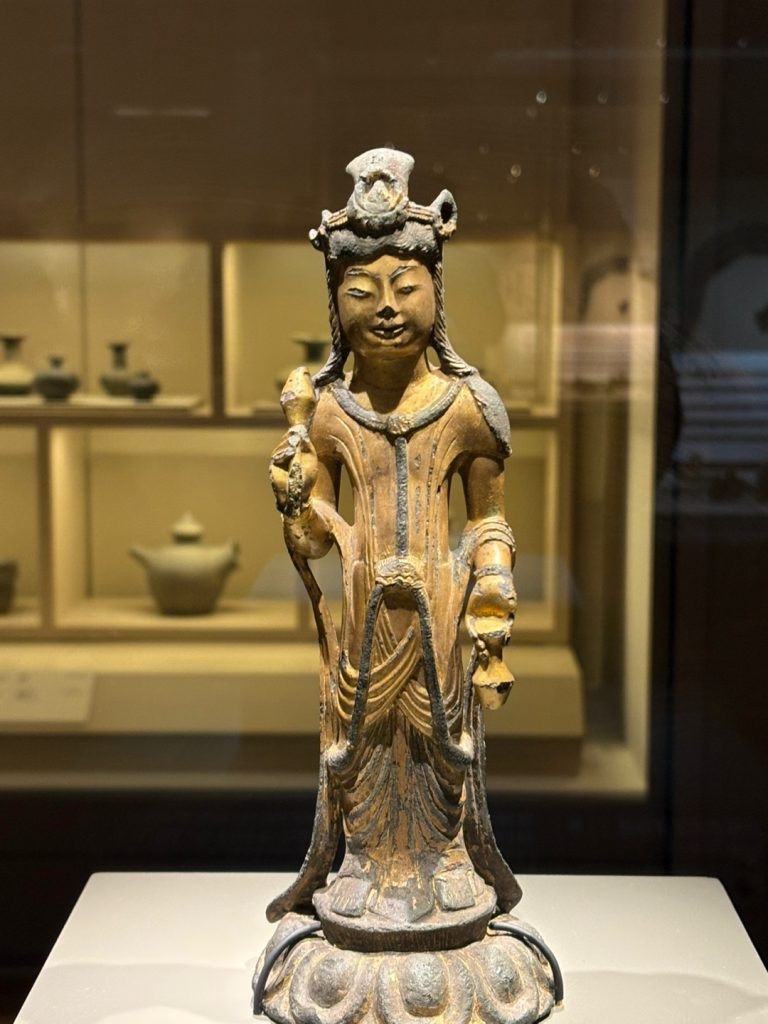
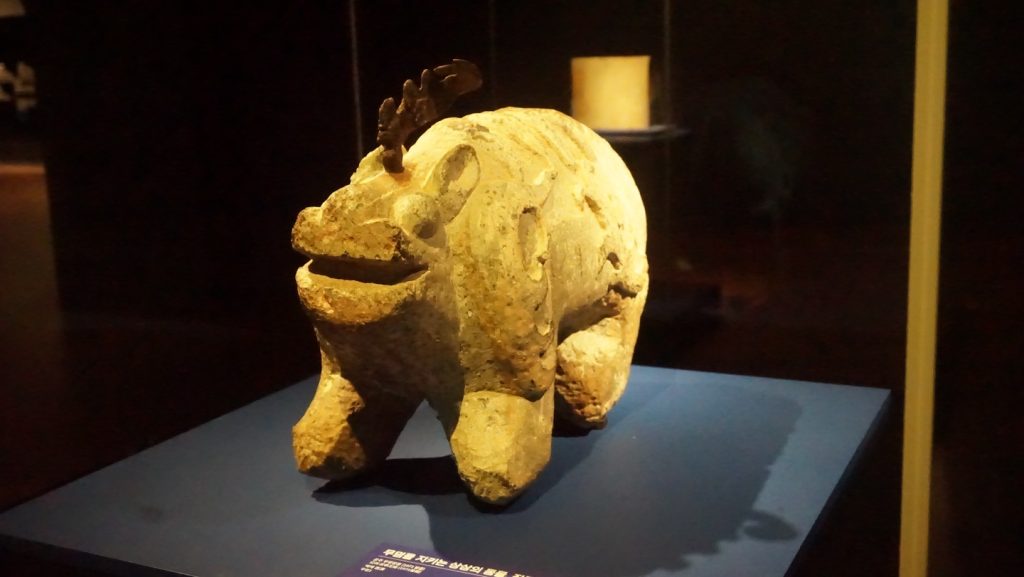
"One of my favorite finds—Baekje craftsmanship up close."
"Tiny but full of character—Baekje-era details are so charming."
"The highlight zone—artifacts connected to King Muryeong’s Tomb and Baekje royal culture."
You’ll get to see everything from ornate ornaments and jewelry to pottery and beautifully preserved pieces that make Baekje culture feel surprisingly “alive.” If you’re visiting Gongju—even as a day trip—this is one of those must-visit spots that instantly adds depth to your trip.
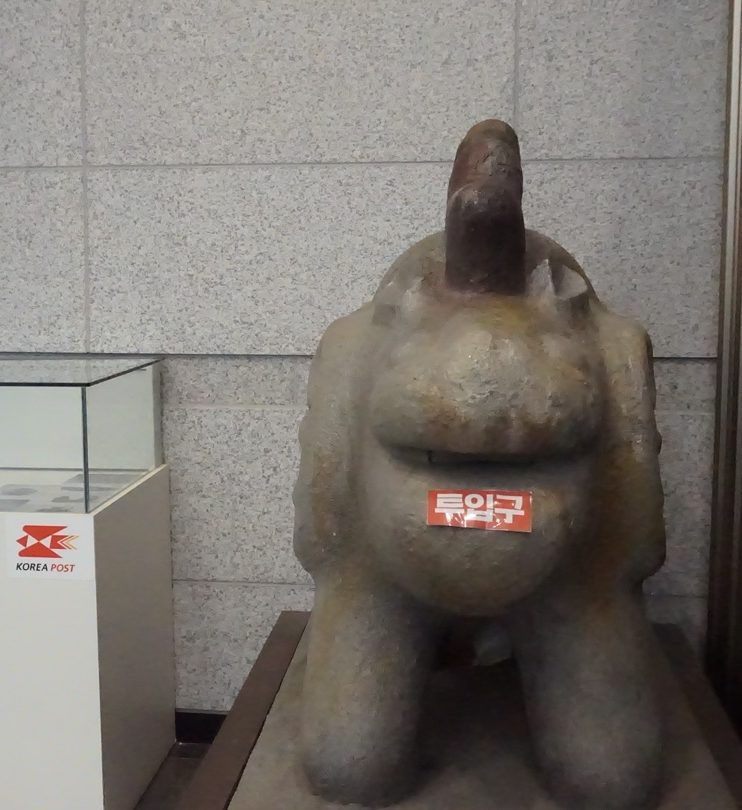
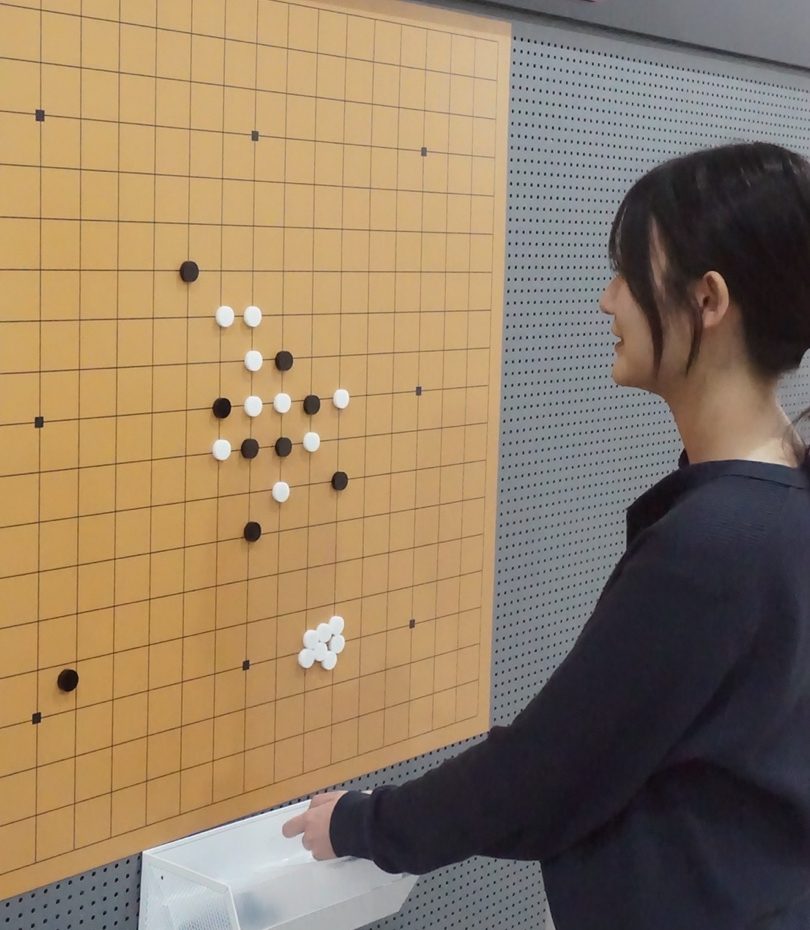
And it’s not just “look and leave.” There are also fun little experiences like an interactive baduk (Go) board and even a slow postbox, where you can write a letter to yourself and have it delivered later—such a cute way to turn your Korea memories into something you receive back home.
"Don’t skip this—write a letter to your future self and let Gongju mail you a memory later."
"Quick break from sightseeing: a fun baduk moment inside the museum."
You’ve made it to the end of Day 1 in Gongju—food, cozy streets, and a little time travel into the Baekje Kingdom. In the next post, I’ll share Day 2: the highlights, the route I followed, and a few practical tips to make your trip smoother. See you there!