
From Public Transportation to Cultural Etiquette, Foods You Must Try, and How to Stay Connecte
If you haven’t read the first part yet, I recommend starting there to catch the first 3 essential tips.
They’ll help you set the foundation for an enjoyable trip to Korea.
Now, let’s continue with tips 4 to 7 — practical advice and little insights that can make your journey even more memorable.
4. Korean Culture and Etiquette Tips for Travelers
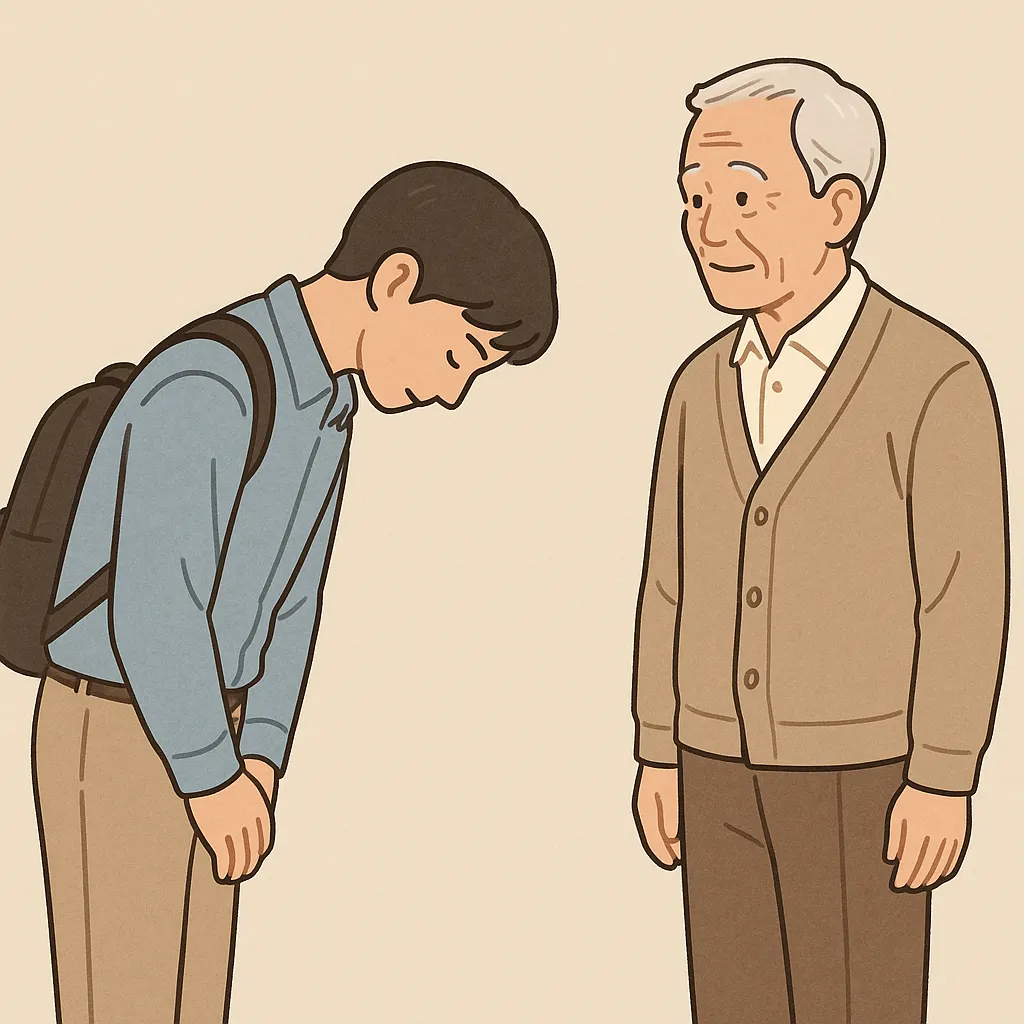
Greeting Etiquette in Korea
When it comes to Korean culture, greetings are more than just words — they are a sign of deep respect. A slight bow, especially when meeting elders or someone older for the first time, communicates courtesy and acknowledgment.
Dining Etiquette in Korea
Korean dining comes with its own etiquette. It’s customary to say “jal meokgetseumnida” (I will eat well) before starting and “jal meogeotseumnida” (I ate well) after finishing. Always wait for the eldest person at the table to begin eating before you pick up your chopsticks. And when there’s only one last bite left, ask before taking it — this small gesture shows respect and thoughtfulness.
Removing Shoes Indoors in Korea
In traditional houses, and often in modern homes too, it’s expected to remove your shoes at the entrance. This practice reflects cleanliness and respect for the household, and it’s a custom visitors should follow naturally.
Drinking Etiquette in Korea
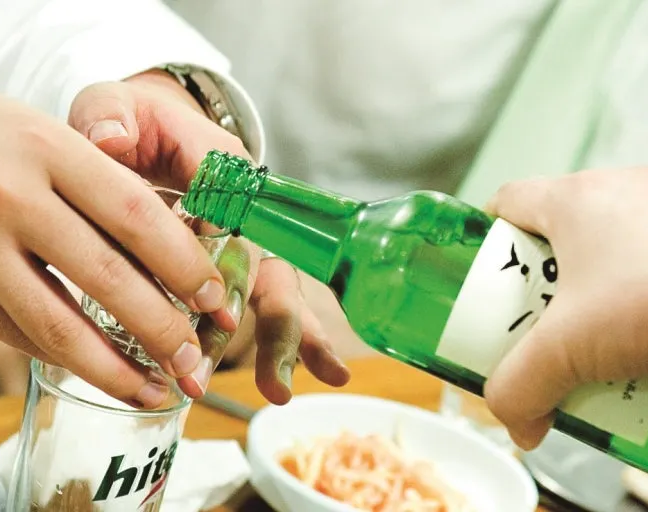
Alcohol is an important part of Korean social culture. When pouring or receiving a drink, use both hands as a sign of respect. It is also polite to turn your head slightly away from elders when drinking. During toasts, clink glasses gently while saying “geonbae” or “jjan.” These customs make social gatherings more harmonious and enjoyable.
5. Korean Language Tips for Travelers
Korea’s official language is Korean (Hangeul). Hangeul is famous for being logical and easy to learn, but for first-time visitors, it can still feel unfamiliar at first.
✨ Hangeul – A World-Recognized Alphabet
Hangeul was created in 1443 by King Sejong with the purpose of giving ordinary people an easy way to read and write. It’s the only alphabet in the world with both a known creator and documented design principles.
UNESCO recognized its value by adding it to the Memory of the World Register, and linguists around the globe often describe Hangeul as one of the most scientific writing systems ever invented.
They even say foreigners can learn to read and write Hangeul in just one to two weeks — that’s how intuitive it is!
🗣️ English in Korea
You’ll find that many young people and those working in tourist areas can communicate in basic English. However, in the countryside or with older generations, English may not be as common. That’s why learning a few basic Korean phrases will make your trip smoother and friendlier.
📱 Using Translation Apps in Korea
Luckily, Korea has some of the fastest internet in the world, and translation apps are widely used.
Papago – The most popular app among Koreans, especially accurate for Korean ↔ English/Japanese/Chinese.
Google Translate – Handy for menus, short conversations, and quick translations.
Even locals sometimes pull out their phones and use these apps to chat with foreign visitors, so don’t hesitate to do the same.
📝 Essential Korean Phrases for Travelers
Here are some simple Korean expressions that can help in everyday situations. Don’t worry if your pronunciation isn’t perfect — most Koreans will understand and appreciate the effort.
안녕하세요 (annyeonghaseyo) = Hello
감사합니다 (gamsahamnida) = Thank you
화장실 어디예요? (hwajangsil eodieyo?) = Where is the bathroom?
카드 돼요? (kadeu dwaeyo?) = Can I pay by card?
얼마예요? (eolmayeyo?) = How much is it?
도와주세요! (dowajuseyo!) = Help me!
Just these few phrases will get you through most basic situations during your trip.
6. Practical Travel Information for Visiting Korea
Traveling in Korea is surprisingly convenient, but knowing a few basics in advance will make your trip even smoother. Here’s everything you need to know — from currency to Wi-Fi and visas.
💱 Currency & Exchange Rate
Korea’s currency is the won (KRW, ₩).
Banknotes come in 1,000, 5,000, 10,000, and 50,000-won denominations.
Coins are 10, 50, 100, and 500 won.
The exchange rate is roughly 1 USD ≈ 1,400 KRW, though it fluctuates over time.
Credit and debit cards are accepted almost everywhere, but it’s a good idea to carry a bit of cash for small vendors, markets, or rural areas.
💳 Paying in Korea
Korea is often called the “Kingdom of Cards”, because card usage is extremely high.
Most locals use credit or debit cards for almost everything.
Get yourself a transportation card such as T-money or Cashbee — you can use it on subways, buses, and even in convenience stores.
Mobile payment apps like Naver Pay, Kakao Pay, and Samsung Pay are also popular, but for travelers, using a physical card is usually the easiest option.
📶 Internet & Must-Have Apps
Korea has some of the fastest internet speeds in the world. Free Wi-Fi is available in many cafés, subways, and even on buses.
Here are a few essential apps every traveler should install:
Papago / Google Translate – for translations
Naver Map / Kakao Map – more accurate than Google Maps for Korean addresses
Kakao T – to hail taxis easily
KakaoTalk – Korea’s main messaging app (a must if you make local friends)
🔌 Electricity & Plugs
Electricity in Korea runs at 220 V / 60 Hz and uses European-style round plugs (Type C or F).
If you’re visiting from abroad, bring a universal travel adapter — it’ll save you from charging hassles.
🛂 Visa & Entry Information
Many Western and Asian countries can stay in Korea visa-free for up to 90 days.
However, always check the latest entry requirements before you travel, as policies may change.
At the airport, immigration is usually quick thanks to automated e-gates for passport scanning and self-entry.
🚨 Emergency Numbers & Help Lines
112 – Police
119 – Fire / Ambulance
1330 – Tourist Information Hotline (24 hours, English / Chinese / Japanese support)
If you ever find yourself in an emergency, don’t hesitate to call 1330 — they can connect you to local assistance and interpretation services right away.
✨ Tip: Korea is one of the safest and most convenient countries to travel in Asia. With great infrastructure, fast Wi-Fi, and kind locals, a bit of preparation goes a long way in making your trip even more enjoyable.
7. Local Travel Tips to Make Your Korea Trip Even Better
Here are some small but practical tips that will make your trip to Korea easier, cheaper, and a lot more fun.
🚇 Transportation Tips in Korea
- With just one T-money card, you can ride the bus, subway, and even taxis. You can easily top it up at any convenience store.
- Korea’s subway map may look intimidating, but don’t worry — all station names are written in English too. With Naver Map or Kakao Map, you’ll never get lost.
🍽️ Food Tips in Korea
In most Korean restaurants, water and side dishes (banchan) are free. If you need more, just ask the staff by saying “deo juseyo” (“more, please”).
The most popular local restaurants often have long lines. If you want to eat where locals do, try visiting a little earlier or making a reservation during peak hours.
🛍️ Shopping Tips in Korea
Instead of department stores, visit traditional markets like Namdaemun, Gwangjang Market, or Jagalchi Market for a real local experience — and a bit of bargaining fun.
For duty-free shopping, downtown duty-free stores (like Lotte or Shilla) usually have a wider selection and better discounts than the airport. You can pick up your purchases at the airport before departure.
📱 Everyday Life Tips
Free Wi-Fi is available in most cafés and restaurants. The password is often printed on the receipt or displayed on the wall.
Convenience stores are open 24 hours and sell everything from snacks to SIM cards. You can even recharge your T-money card or send packages from there.
🙆 Cultural Tips for Travelers
Koreans are generally very friendly toward foreigners. Even saying a few words in Korean will earn you a big smile and maybe a “Wow! Your Korean is so good!”
On public transportation, remember that priority seats are reserved for the elderly, pregnant women, or people with disabilities — locals really respect this rule.
✨ Final Tip:
A smile and a few polite words in Korean can go a long way. Whether you’re ordering food, shopping in a market, or asking for directions — kindness and curiosity are always appreciated in Korea.
Traveling in Korea isn’t just about visiting places — it’s about feeling the warmth of the people, the rhythm of the city, and the quiet beauty in everyday moments.
I hope these little tips make your journey a bit easier and a lot more special.
Take your time, wander without a plan, and let Korea surprise you in its own gentle way.